Find Your Way In
Four ways to explore the artists and ideas reshaping ballet
Choreographers
Long-form profiles tracing style, signature works, and influence - from Forsythe's deconstructed vocabulary to Pite's dance theatre and Bausch's Tanztheater legacy.
Featured: William Forsythe, Crystal Pite, Wayne McGregor, Sidi Larbi Cherkaoui, Pina Bausch
Companies
The houses whose training methods and artistic identity defined contemporary ballet as its own genre, distinct from both classical repertory and experimental modern dance.
Works
Deep dives into landmark contemporary ballet works - their origins, what makes them distinct, and how they entered the repertory.
Guides & History
Where contemporary ballet came from and how to watch it - from the Judson Church experiments of the 1960s to a first-timer's guide to what actually happens when the lights go down.
Start With Three Defining Figures
Three very different routes into contemporary ballet
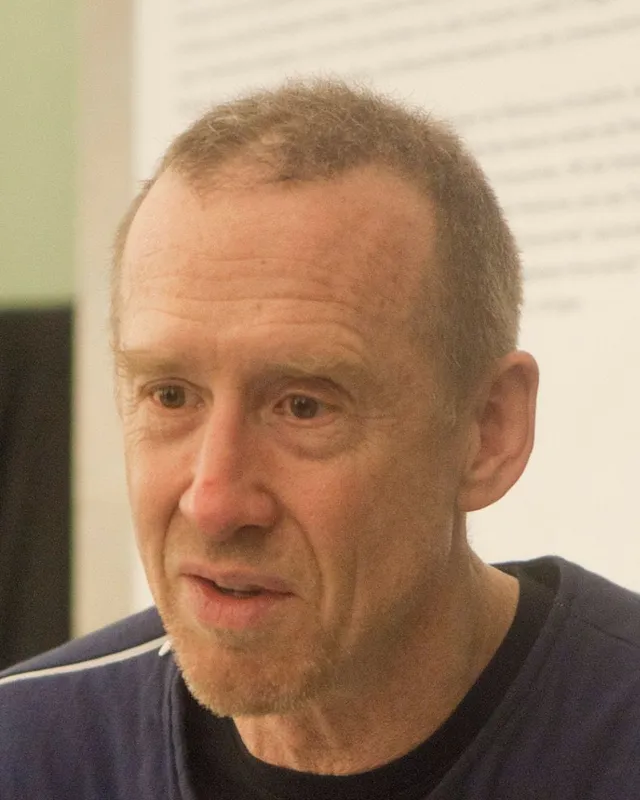
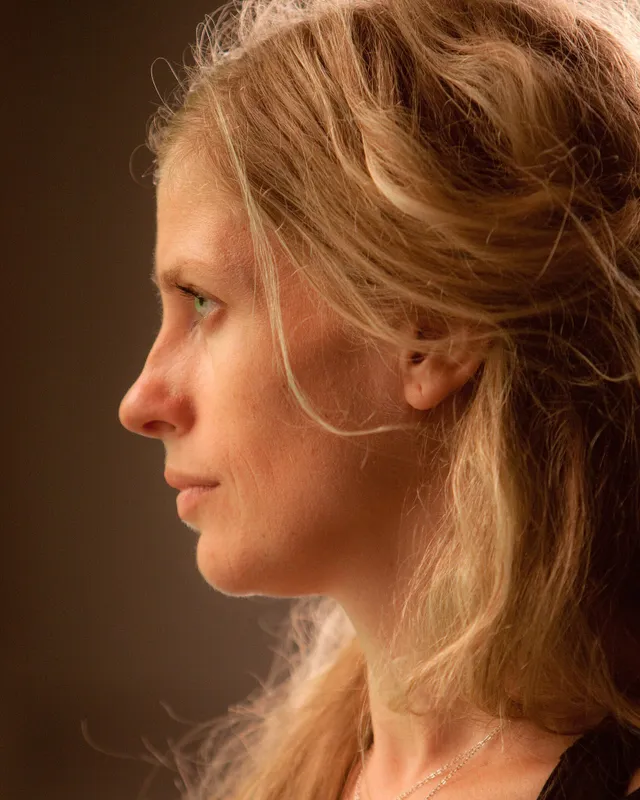
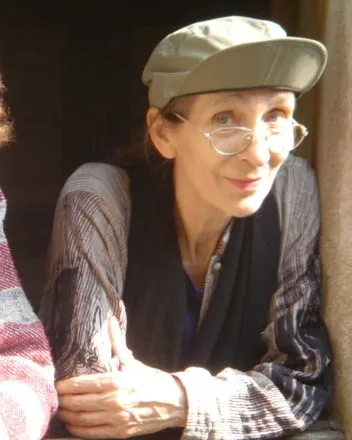
Photos via Wikimedia Commons - full credits and licenses are on the Image Credits page.